Exploring global media landscapes
China has a media system characterized by state control, actually one of the most state-controlled in the world. They tend to censor political content that can be seen as harmful to what they want the people to know. Although people can argue that the media in the U.S can also be censored, the U.S allows more free press with less severe consequences for spreading misinformation. When comparing the media systems of China and the United States, you have China that comes across as primarily an authoritarian media system, while the U.S has more of a liberal system.
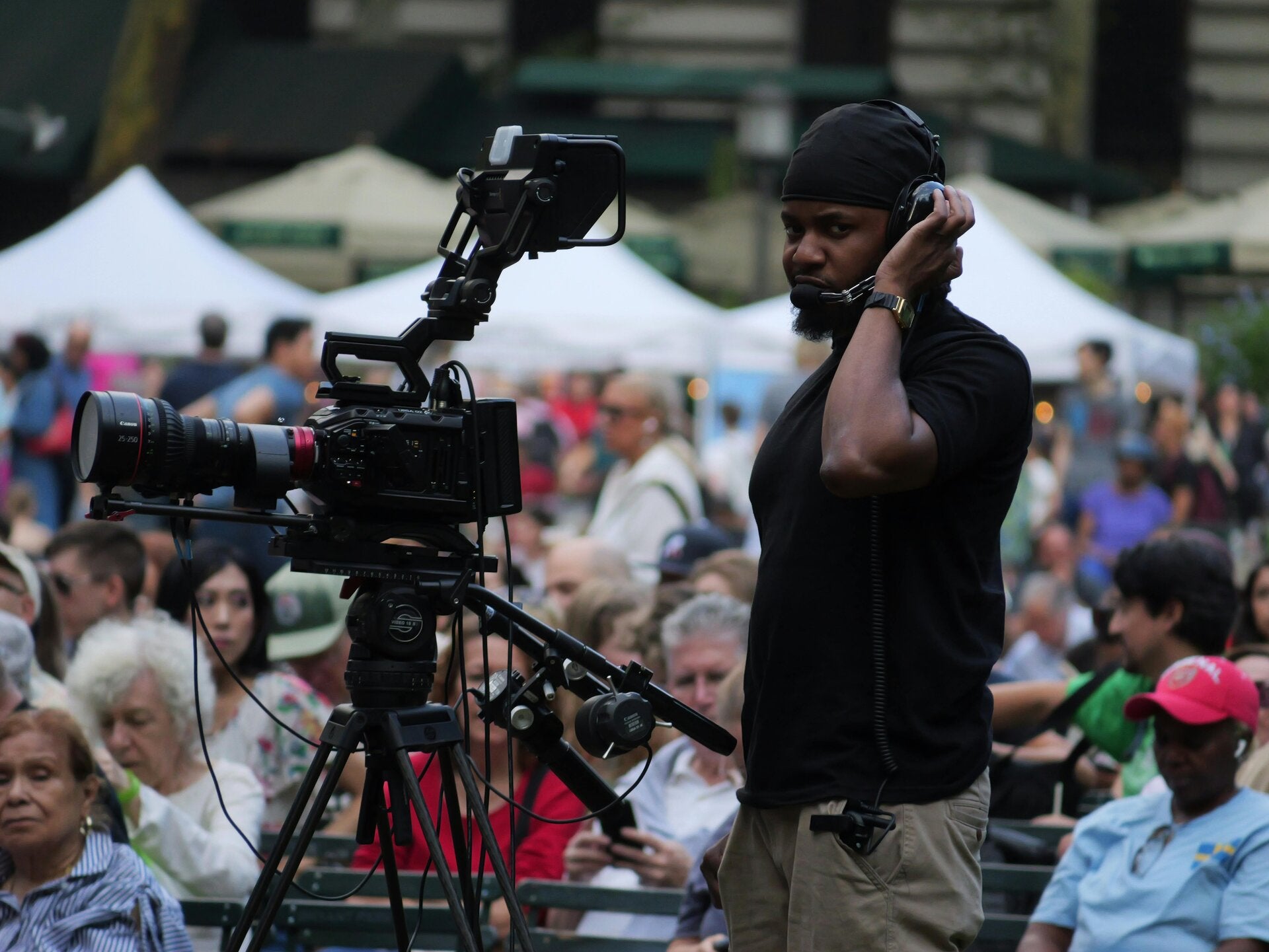
Understanding foreign media systems vs. what we are use to
China's media serves the state and aligns with the authoritarian theory. In words, the theory "describes the oldest system of mass communication whose roots extend to sixteenth- and seventeenth-century England." (Converging Media, 2023) With the government basically taking over the media, it makes it hard for people to fully express their opinions on the government without getting harsh punishment for expressing the slightest discomfort that can come across negative towards the government. To people, the U.S media system can come across as part of the social responsibility theory due to the mass communications in most democratic settings, but I can also see the Libertarian Theory being at play due to the free press that is also influenced by corporations. The social responsibility theory "holds that to provide the most reliable and impartial information to the public, the media in a democracy should be free from most governmental constraints." (Converging Media, 2023) Meaning people should always educate themselves on both sides when consuming this type of media. While the libertarian theory has "criticism of the government and its policies is accepted and even encouraged." (Converging Media, 2023) To me, the U.S has definitely shown two sides of these two theories, especially when it comes to political media.

A physical and digital lens on the media
-When it comes to print/newspapers, China's is state-controlled and run through the government to make sure what people consume is what they want. The U.S has all types of different print with different opinions, but print itself in the U.S. has been declining lately due to technology.
-TV and radio stations in China have their CCTV run by the government, while the U.S. has private networks like CNN and public broadcasting like PBS for people to consume daily.
-China limits a lot of foreign media from the people, but especially films. People might say it's due to the fact or censorship, but it can also be due to the fact that they want to protect local cinema. Whereas the U.S profits from Hollywood, that is a global thing. The U.S also allows foreign films that don't break any of the rights with the First Amendment.
-When it comes to social media, people often understand more of China's censorship due to not allowing apps like TikTok in China and banning them. China has a Great Firewall that censors the internet, while the U.S. has net neutrality.
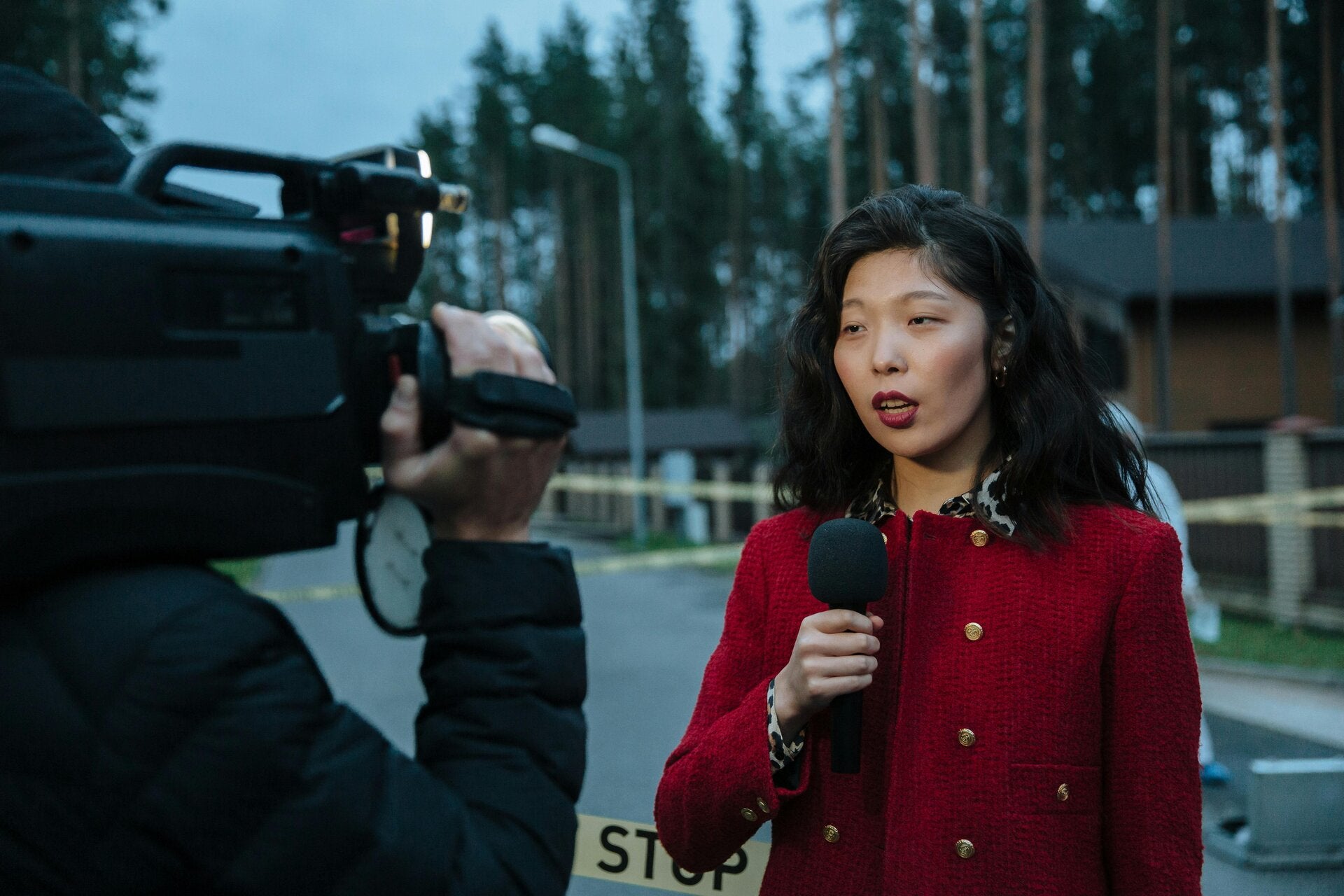
Broadening your media perspective with regulations and freedom
Although people might read this and might think that authoritarian media can seem more of a negative thing than other systems, there is a lot of citizen engagement on social media when something severe happens. For example, in 2013, there was a major earthquake in China, which led a small blogger to reach out to their followers for help. "Followers retweeted his post, prompting a wave of volunteerism and donations." (Converging Media, 2023) To the extent of censoring a lot of media, the citizens rely on what they consume. To which in this case, people were able to help each other due to the extent of people sharing this information. In the U.S., it might be harder for people to come altogether at the extent of feeling like the news might be fake, due to the fact that people are allowed to share what they can for the most part, and now with the rise of AI. If I can share a different perspective on the authoritarian vs. social/libertarian theories, people can think that not being able to share your full opinions can be very frustrating, but would it also be frustrating if you've seen videos or media of misinformation that you or your family fell for? There are pros and cons to each theory, but it is very important to see both sides of each theory and why people might be driven to exercise it.
Conclusion
Different countries use different theories of international mass communication. With the U.S. exercising both social responsibility and libertarian theories, which make it so people can exercise their rights of the First Amendment, but can fall victim to hate speech and the idea of spreading misinformation. China's media system falls under state-controlled media with the use of the authoritarian theory, which hides people's opinions if it differs to what they want people to believe, but it makes for stability and propaganda for the government. With the Chinese state-controlled media, the government is in charge of what media is being consumed, and can create consequences for whoever chooses to respect that. While the U.S. has monopolies like Disney that take care of certain misinformation that goes against their brand and will handle it independently, unlike China, which goes straight to the government and can have harsher punishments.
Create Your Own Website With Webador